
Imagine you’re halfway through a long journey on an express train, perhaps the SwaRail service, when sudden discomfort hits: a throbbing headache, acidity, or dizziness. Stuck miles away from the next station, you wonder: Can I get medicine inside the train itself? Thankfully, modern Indian Railways and the unified SwaRail platform have made this possible. The system isn’t just about tickets anymore; it includes emergency medical support, onboard first-aid access, and coordination with nearby stations.
This article walks you through how to handle such medical emergencies on trains, showing practical, real-life steps passengers can take to receive help. Each section blends human experience with the digital assistance of SwaRail and other Indian Railways services.
Recognition, The Need Early, And Documenting Symptoms:
The moment you sense unease during travel, whether nausea, fever, or chest tightness, note it immediately. Acting early helps you describe the issue clearly when requesting help. Many passengers tend to ignore mild symptoms until they worsen, making timely treatment harder.
Things to remember when symptoms start:
- Record the time and nature of symptoms (e.g., “feverish since 3:00 p.m.”).
- Check if you have any prior medical conditions that might worsen.
- Note if you have already taken any medication earlier.
- Avoid self-diagnosis; instead, seek trained help.
- Observe whether symptoms are getting better or worse.
- Ask co-passengers if anyone has a relevant medicine (only after staff approval).
Early recognition and communication prevent escalation. When you approach train staff later, a clear description helps them identify whether to use the onboard first-aid box, contact a doctor, or inform the next station.
Approach Train Staff For Medicine Access:
Once you’re sure help is needed, the first step is to inform train personnel. They’re trained to handle medical assistance requests efficiently.
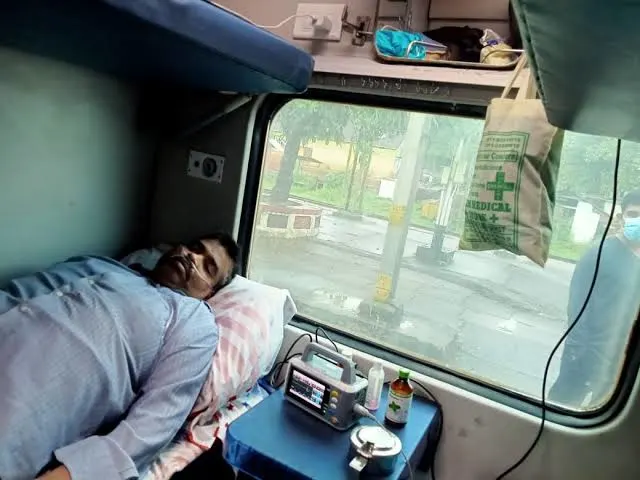
Follow these steps carefully:
- Approach the TTE (Train Ticket Examiner) or coach attendant calmly.
- Explain your symptoms clearly and briefly.
- Ask for access to the onboard first-aid box.
- Check whether there’s a doctor traveling on the train (they’re often listed).
- Request to contact the next major station with a medical unit.
- Stay near your berth while help is coordinated.
- Keep your ticket/PID handy if verification is needed.
Most trains carry at least one first-aid box, and staff are authorized to administer basic medicines like paracetamol, pain relievers, or antacids. They also log every incident, ensuring transparency and replenishment of used items at the next stop.
Utilize The Train’s Medical Box And First Aid Resources:
Every express or long-distance train under Indian Railways is equipped with a medical first-aid box. This box includes a variety of emergency essentials to handle common passenger issues.
What the box typically contains:
- Paracetamol or fever relief tablets.
- Antacids and antiemetics for acidity or nausea.
- Painkillers like ibuprofen (for minor body pain).
- Cotton, antiseptics, bandages, and ointments.
- Glucose and oral rehydration salts (ORS).
- A thermometer and other minor tools.
The train’s guard or TTE usually keeps custody of the box. After reporting your symptoms, they’ll check its contents and provide the required medicines. Each item’s use is logged officially, ensuring accountability.
Use Helpline Numbers And Rail Madad Services:
If staff are unavailable or your condition worsens, you can reach out for help directly using your phone. SwaRail app integrates digital platforms that connect passengers with live assistance.
Steps to request medical help digitally:
- Dial 138, the Railway Medical Helpline number.
- Clearly state your train number, coach, berth, and nature of the emergency.
- Alternatively, use the Rail Madad App or visit railmadad.indianrailways.gov.in.
- Log in with your PNR number and choose Medical Assistance from the issue list.
- Add brief details and submit the request.
- You’ll receive a confirmation message and follow-up from the nearest control room.
- Keep your phone accessible for real-time updates.
Rail Madad and Helpline 138 link you with control centers that can arrange medical staff at upcoming stations. In some cases, a doctor or ambulance is already waiting when the train arrives, a service that’s saved countless passengers during emergencies.
Find A Doctor Among Passengers Or At an Upcoming Station:
Doctors traveling by train can be lifesavers. Indian Railways keeps a list of medical professionals onboard (those traveling under special concessions). The TTE or guard can access this list and reach out if needed.
Here’s how this often plays out:
- The staff identifies a doctor among the passengers and informs them of your situation.
- The doctor provides initial guidance or basic treatment using available medicine.
- Meanwhile, the control room coordinates professional medical help at the next station.
- You’re advised whether you can safely continue or should disembark for treatment.
- In critical cases, station staff prepare stretchers or ambulances in advance.
Doctors on board often volunteer out of compassion, providing immediate relief that bridges the gap before full care becomes available. Even a few minutes of professional advice can make a major difference during long journeys.
Request Unscheduled Medical Stops (When Safe To Do So);
In rare but severe cases such as heart pain, severe bleeding, or fainting, you can request an unscheduled medical halt. While not always approved, Indian Railways prioritizes human life.
If the condition is critical:
- Immediately notify the TTE or train guard.
- Ask them to contact the control room via wireless communication.
- Provide your berth and coach details so the request can be verified quickly.
- Control staff will decide the nearest suitable station with medical facilities.
- Upon approval, the train will stop, and a medical team or ambulance will be waiting.
- The incident is officially recorded for safety review.
These emergency halts are rare but real, passengers have been rescued this way in several documented cases. Indian Railways’ humanitarian policy ensures that life-threatening conditions take precedence over schedules.
How to Coordinate Through SwaRail App For Quick Medical Assistance?
SwaRail, the unified railway app, integrates all essential passenger services including medical support requests. This app ensures that travelers don’t need multiple apps for ticketing, tracking, and emergency needs.
Here’s how you can request help using the app:
- Open the SwaRail app on your mobile.
- Log in using your IRCTC credentials.
- Tap on the ‘Passenger Services’ or ‘Help & Support’ section.
- Choose ‘Medical Assistance Onboard’.
- Enter your train number, coach, and berth details.
- Describe your symptoms in 2–3 short sentences.
- Submit the request, you’ll get a ticket ID and live status of your case.
Once the request is sent, the system connects to the nearest control office. If necessary, SwaRail notifies the onboard staff, or arranges for medical personnel to meet you at the next station. The real-time chat feature ensures you can track updates even if the staff is coordinating from another coach.
What Medicines Are Commonly Available Onboard?
Not every medicine can be stored on a moving train, but Indian Railways ensures availability of the most essential ones that treat common conditions. These are refreshed regularly by railway medical departments.
Typical medicines available include:
- Paracetamol: for fever and mild pain.
- Antacids: for acidity or indigestion.
- Anti-nausea tablets: such as domperidone or dimenhydrinate.
- ORS sachets and glucose powder: for dehydration.
- Antiseptic lotions and bandages: for minor injuries.
- Cough lozenges and throat soothers: for cold symptoms.
- Pain-relief sprays and balms: for joint or muscular discomfort.
It’s important to remember that these are first-aid level medicines, not replacements for prescription drugs. Passengers with chronic illnesses like diabetes, hypertension, or asthma must carry their own medicines, since onboard supplies won’t cover specialized treatments.
Still, these basic medicines have proven life-saving for travelers struck by sudden fever, vomiting, or heat exhaustion during long journeys.
Emergency Assistance For Chronic Patients
If you are a chronic patient diabetic, asthmatic, or cardiac a little pre-planning before travel can make a world of difference. Indian Railways’ medical support can handle emergencies, but personal readiness is vital.
For chronic patients:
- Always carry your prescription and dosage chart.
- Keep basic medicine stock in your handbag, not luggage.
- Inform co-passengers or your travel companion about your condition.
- Use SwaRail or Rail Madad if a medical episode occurs.
- Ask the TTE to alert the next station’s medical center.
- If you wear devices like insulin pumps or inhalers, keep spares ready.
The staff are trained to handle medical data sensitively and prioritize emergency coordination. Having prior documentation makes their job easier and can even help the railway doctor identify your needs faster.
Role Of Major Stations And Railway Hospitals
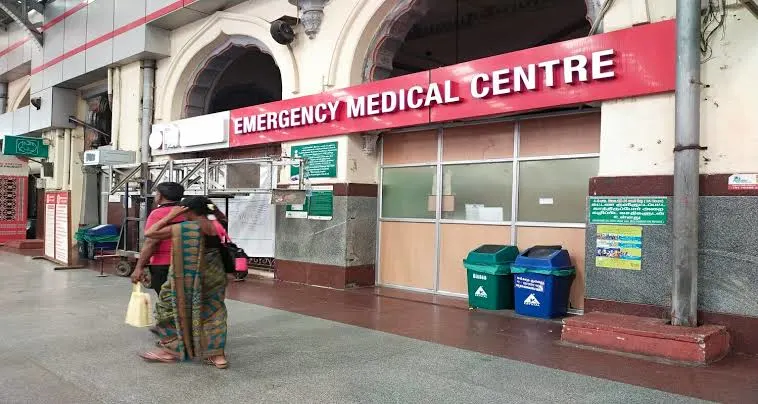
Not every stop has a medical team, but major junctions and city stations are connected to Railway Hospitals or authorized clinics. These play a vital role in responding to in-transit emergencies.
Here’s how they support passengers:
- Control rooms forward your details from the train to the upcoming station.
- The Station Master arranges for a doctor or paramedic to be present at the platform.
- Ambulances are stationed at key junctions for quick transfers.
- Railway hospitals provide immediate care and medication.
- Reports are filed and sent to headquarters for transparency.
Some of the busiest junctions like New Delhi, Nagpur, Vijayawada, Itarsi, and Chennai Central have round-the-clock emergency teams. In fact, several passenger testimonials mention how doctors boarded trains at these stations to administer urgent medicines before the passenger resumed travel.
Safety And Hygiene While Taking Medicines In Train
Even when help arrives, maintaining hygiene and caution is critical. Trains can be dusty, and vibrations might make handling medicines tricky. Taking a few precautions ensures you stay safe during treatment.
Practical precautions to follow:
- Always wash or sanitize your hands before taking medicine.
- Use sealed water bottles instead of tap or pantry water.
- Avoid taking strong painkillers or antibiotics unless prescribed.
- Don’t share tablets among co-passengers, even if symptoms seem similar.
- Store your own medicines in zip pouches or airtight boxes.
- Report any adverse reaction to staff immediately.
These small steps keep minor ailments from worsening during the journey. Remember, trains provide help but your personal hygiene and awareness remain your first line of defense.
Real-Life Passenger Experiences With Onboard Medical Aid
Many travelers have shared stories online about receiving timely help on trains. These real experiences show that the system, while not perfect, genuinely saves lives when used properly.
Examples include:
- A diabetic passenger on the Kerala Express received insulin and glucose at the next stop after calling 138.
- A young traveler on the Rajdhani train was provided fever tablets and warm food after reporting symptoms via Rail Madad.
- A family traveling to Delhi got motion-sickness medicine from the TTE’s kit, avoiding dehydration.
Each incident shows how coordination between passengers, staff, and digital tools like SwaRail bridges the gap between onset and relief. It’s not about luxury it’s about human efficiency in motion.
Alternatives To Get Medicine In Train
Sometimes, despite staff support or the SwaRail system, passengers may not immediately receive medicine onboard especially on smaller routes or short-distance trains. In such cases, a few alternative methods can help you access essential medicines quickly and safely without waiting until your destination.
Here are practical alternatives to consider:
- Ask Co-Passengers Politely: Many travelers carry common medicines like paracetamol or antacids. Politely ask around but only take sealed tablets and confirm expiry.
- Use Pantry Car Network: Pantry staff often stop at major stations for refills. They can request a local vendor or pharmacist nearby to bring the medicine during the halt.
- Call Helpline 139 Or 138: If SwaRail connectivity is weak, calling these helplines directly ensures your request reaches the nearest control office faster.
- Contact Family Or Friends: Share your train number and PNR with someone outside. They can order medicine via apps like PharmEasy or 1mg to the next station’s delivery counter.
- Request Station Staff During Halt: If the train stops for more than 5 minutes at a junction, speak to the guard they can help you get medicine from a platform kiosk.
- Seek Help From Onboard Vendors: Some authorized vendors sell personal care or basic health items. They might connect you with local contacts at the next stop.
- Use Local Medical Volunteers: Certain routes have railway volunteer doctors listed with control centers who can attend at short notice.
These small, actionable steps have helped countless passengers handle emergencies even when onboard resources were limited. Combining patience with presence of mind often makes all the difference in such moments.
Conclusion
Falling ill on a train journey can be distressing, but modern railway systems like SwaRail have turned that fear into manageable reality. With in-app reporting, medical kits, trained staff, and coordination with hospitals, you’re never truly stranded.
The key lies in acting early, staying calm, and communicating clearly. Whether it’s a mild fever or a more serious issue, these measures ensure that help and medicine are always within reach on the Indian Railways network.
FAQs
Yes, most express and long-distance trains carry a first-aid box with basic medicines. For local trains, assistance can be arranged at the next major station.
Absolutely. SwaRail links directly to railway control rooms, helping you raise medical assistance requests instantly.
Inform the TTE or guard manually. They can contact the control center through wireless communication.
Yes, basic first-aid medicines and emergency medical assistance are provided free to passengers.
Only essential over-the-counter medicines are available onboard. For prescription drugs, arrangements are made at the next station’s pharmacy or hospital.